Windows Emulator for Mac: Free and Paid Options Compared

The best free ways to run Windows on a Mac are VirtualBox and UTM (free virtual machines), Wine (free, runs single apps only) and VMware Fusion Pro (free for personal use after registering with Broadcom). Parallels Desktop and CrossOver are paid. Boot Camp is built in but only works on older Intel Macs.
Strictly speaking only UTM can emulate an Intel PC on an Apple silicon Mac. The others virtualize or translate, which is why the list below is sorted by how each tool gets Windows software running, with the current price and Mac compatibility for each.
Difference Between Emulation and Virtualization
Emulation replaces your Mac's hardware with software, while virtualization shares the real hardware with a guest operating system. Emulation can run software built for a different processor, but it is slower. Virtualization is much faster, but the guest has to match the processor: on an Apple silicon Mac that means Windows 11 for Arm.
Most tools in this article are virtualization or compatibility layers, even though people search for them as "emulators". Wine and CrossOver sit in a third group: they translate Windows calls so single apps run without installing Windows at all. For a broader look at the virtual machine category, see this virtual machine software comparison.
Top Windows Emulators for Mac
| Tool | Cost | Type |
|---|---|---|
| Boot Camp | Free, built in | Dual boot, Intel Macs only |
| VMware Fusion Pro | Free for personal use | Virtual machine |
| Parallels Desktop | Paid, free trial | Virtual machine |
| VirtualBox | Free | Virtual machine |
| UTM | Free | Virtual machine and emulator |
| Wine | Free | Compatibility layer |
| CrossOver Mac | Paid, 14 day trial | Compatibility layer |
Boot Camp
Boot Camp is Apple's free dual-boot tool, and it only works on Intel Macs. Apple lists the supported models (for example MacBook Pro 2012 to 2020, excluding the 13-inch M1, and iMac 2012 to 2020) and says it needs an Intel processor, so no Apple silicon Mac can use it. On a supported Mac, Boot Camp Assistant in Utilities installs Windows 10 on its own partition. You hold the Option key at startup to choose between Windows and macOS. Windows gets the full hardware, which makes this the best option for demanding games, but you have to reboot to switch.
VMware Fusion
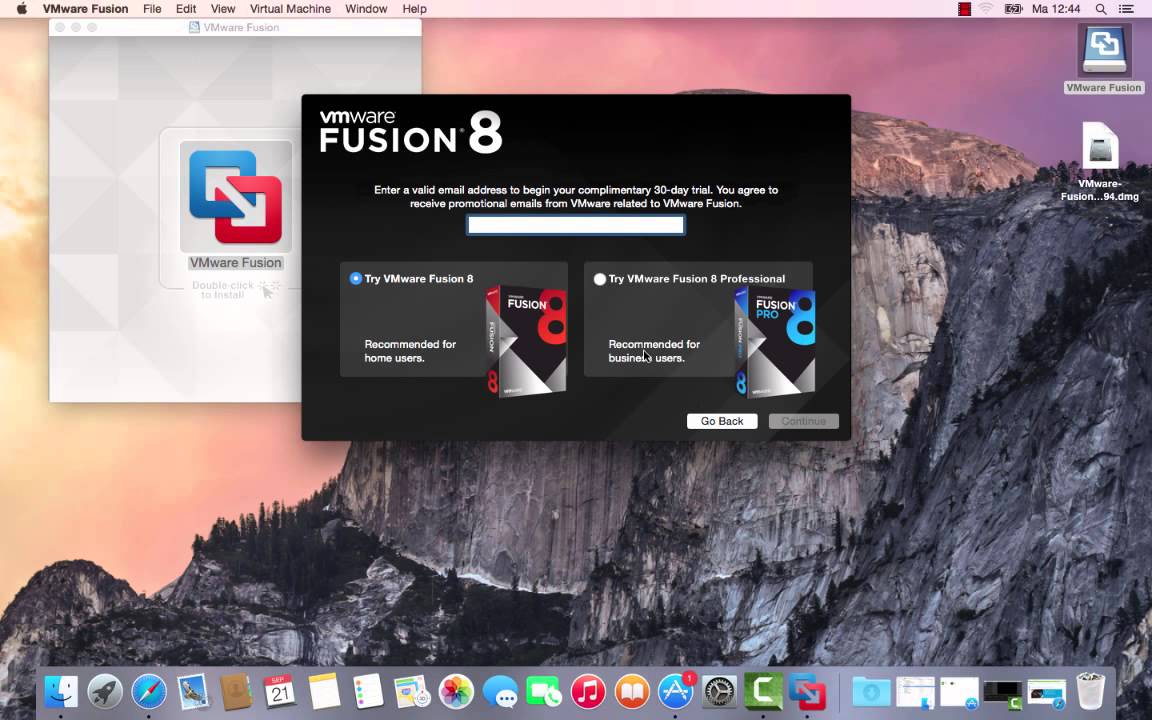
VMware Fusion runs Windows in a window on your Mac, and Fusion Pro is now free for personal use. You register on Broadcom's support site, accept the terms and download it from there. On Apple silicon, VMware lists built-in support for Windows 11 for Arm, with limits such as no nested VMs and no VBS. Use it when you want Mac and Windows apps side by side. If you hit the grayed-out option when installing the guest add-ons, this guide on installing VMware Tools helps. Check Broadcom's license terms before using it for work.
Parallels Desktop
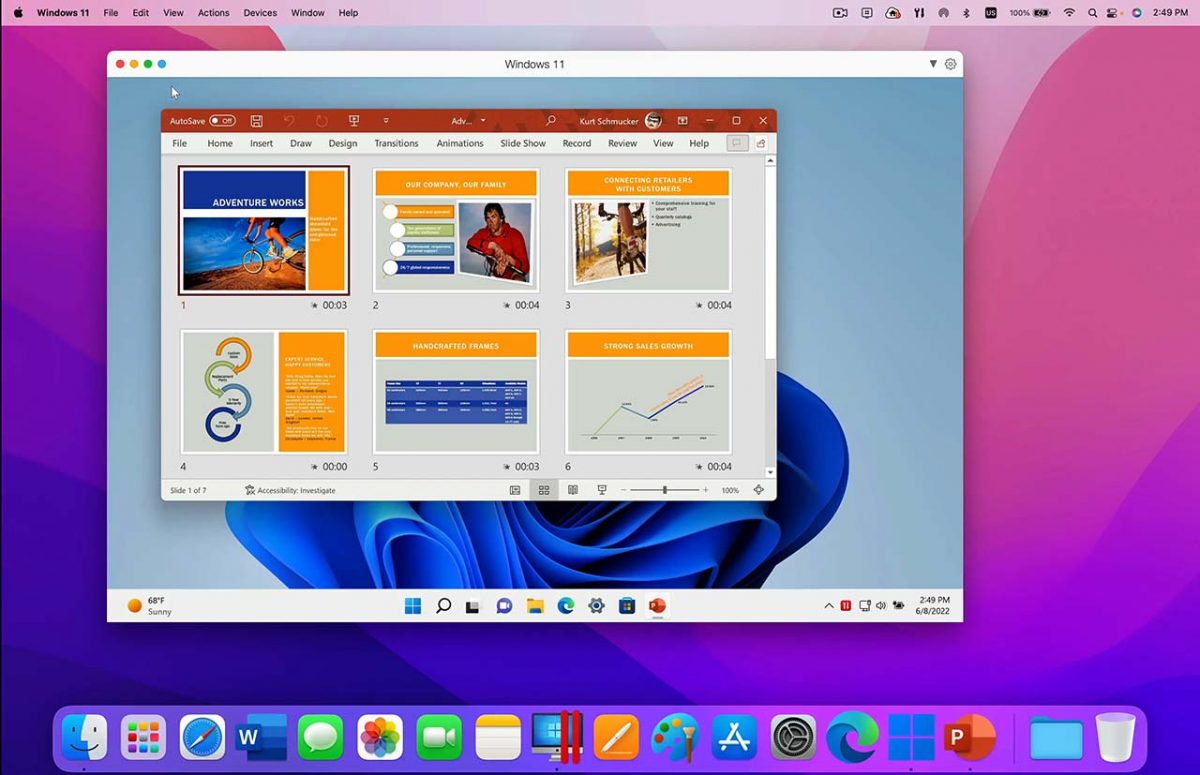
Parallels Desktop is a paid virtual machine for Mac that runs Windows next to macOS without rebooting. Parallels says it is authorized by Microsoft to run Windows 11 for Arm on Apple silicon, and you can use an existing Windows 11 license key if it activates. The Standard edition suits home use (up to 8 GB of virtual RAM and 4 vCPUs per VM) and is sold mainly as a subscription (Parallels also mentions a one-time purchase, so check the buy page). Pro is aimed at developers and is mainly a subscription. There is a free trial, so you can test your apps first. Exact prices change, so check the buy page.
VirtualBox
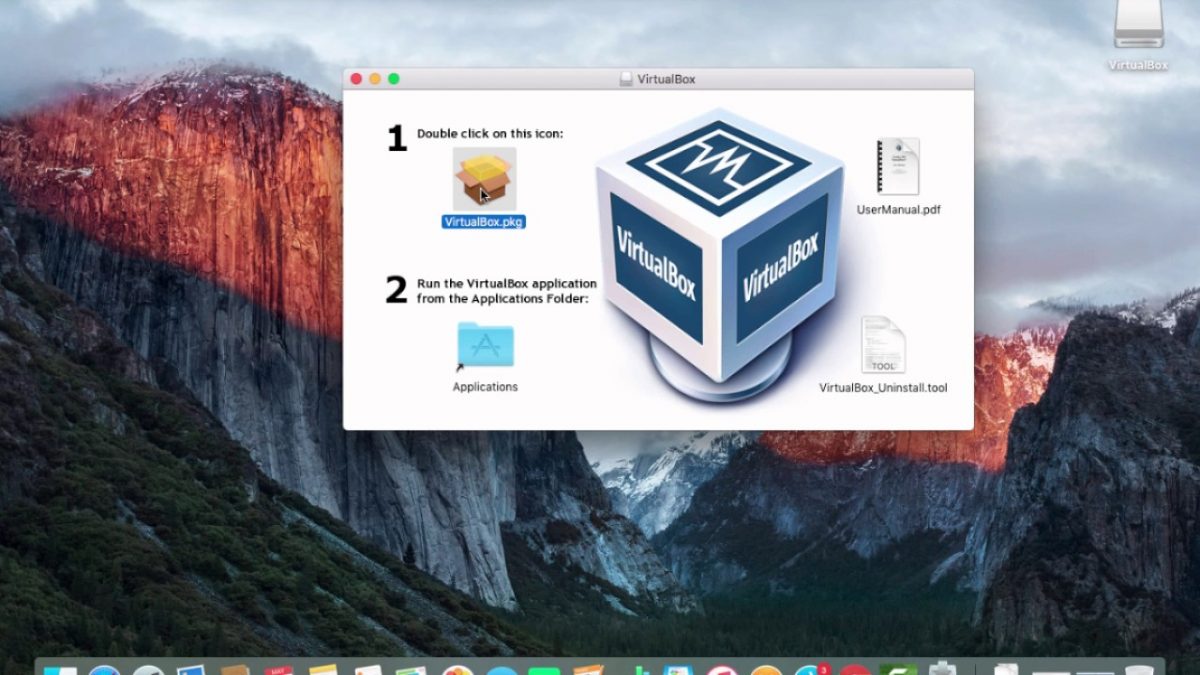
VirtualBox is free, open-source virtualization software from Oracle with a macOS version for both Intel and Apple silicon. The base package is licensed under GPL version 3. The optional Extension Pack uses a separate license that allows free personal and educational use only, so businesses need other terms. VirtualBox is less polished on a Mac than Parallels or Fusion, so expect more manual setup. Before you download, check the supported guest systems for your Mac type on the VirtualBox downloads page, especially on Apple silicon.
UTM
UTM is a free, open-source virtual machine app for Mac that can both virtualize and emulate. On Apple silicon it runs ARM64 systems such as Windows 11 for Arm at near-native speed. It can also emulate Intel x86 and x64 systems, but that is slower. The direct download from GitHub is free, and the Mac App Store version has the same features and adds automatic updates. UTM lists DirectX 11 and 12 support on Windows 11, with game compatibility still being improved.
Wine
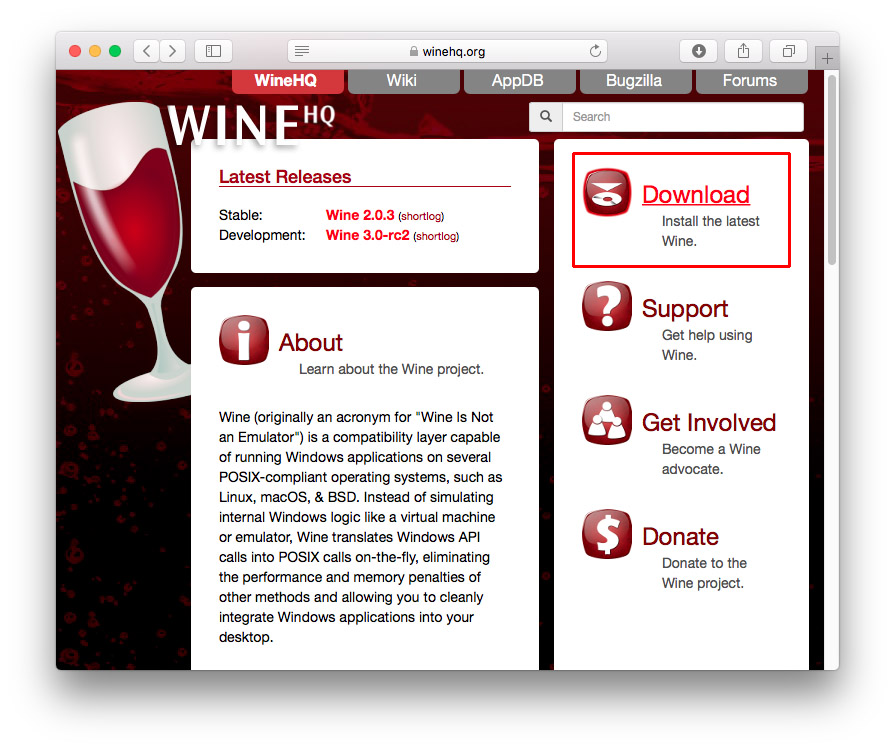
Wine runs individual Windows programs on macOS without installing Windows, and it is free and open source. The name stands for "Wine Is Not an Emulator": it translates Windows API calls into POSIX calls while the program runs. That keeps the performance and memory cost lower than a virtual machine. Wine has no official support desk and some apps will not run, so it suits one or two programs you can test. The old advice about macOS before Catalina no longer reflects how most people run it, so check the WineHQ site for current macOS builds.
CrossOver Mac
CrossOver Mac is a paid tool, built on Wine, that runs many Windows apps and games on a Mac without a Windows license or a virtual machine. CodeWeavers lists it at $74.00 with a two week full-version trial. It supports Apple silicon (M1 or later) and requires CrossOver 25.1.1 or higher on macOS 26 Tahoe. CodeWeavers says it is not an emulator. Test your exact app during the trial, since support varies per program.
Which One Should You Pick?
Pick Parallels Desktop or VMware Fusion Pro if you want Windows as a full operating system on a modern Mac, and Boot Camp only if you own a supported Intel Mac. Parallels costs money but is built for Windows on Apple silicon, while Fusion Pro costs nothing for personal use. If you only need one Windows app, try CrossOver, or Wine if you want to spend nothing.
Running any of these will not damage your Mac, but a virtual machine uses CPU and RAM while it runs, so the Mac can feel slower. Watch the load with the methods in this guide on showing CPU, GPU and RAM usage, and give the virtual machine only as much memory as the Mac can spare.
FAQ
Can an M1, M2 or newer Mac run Windows?
Yes, through a virtual machine running Windows 11 for Arm, using Parallels Desktop, VMware Fusion Pro or UTM. Boot Camp does not work on Apple silicon.
Do I need a Windows license?
Virtual machines need a Windows license to activate Windows, and Parallels says an existing Windows 11 key works if it can activate. Wine and CrossOver do not install Windows, so they need none.
Is Wine an emulator?
No. Wine translates Windows API calls into POSIX calls instead of imitating Windows hardware, which is why its name is a recursive acronym for "Wine Is Not an Emulator".
Related: Best virtual machine software, Install VMware Tools if the option is grayed out

Hmmm. Contrary to what the (luring) title suggests… several tools you discuss or present in this article are definitely NOT free. Somewhat misguiding, wouldn’t you agree?