How to remove the Recently Added folder and apps on iPhone
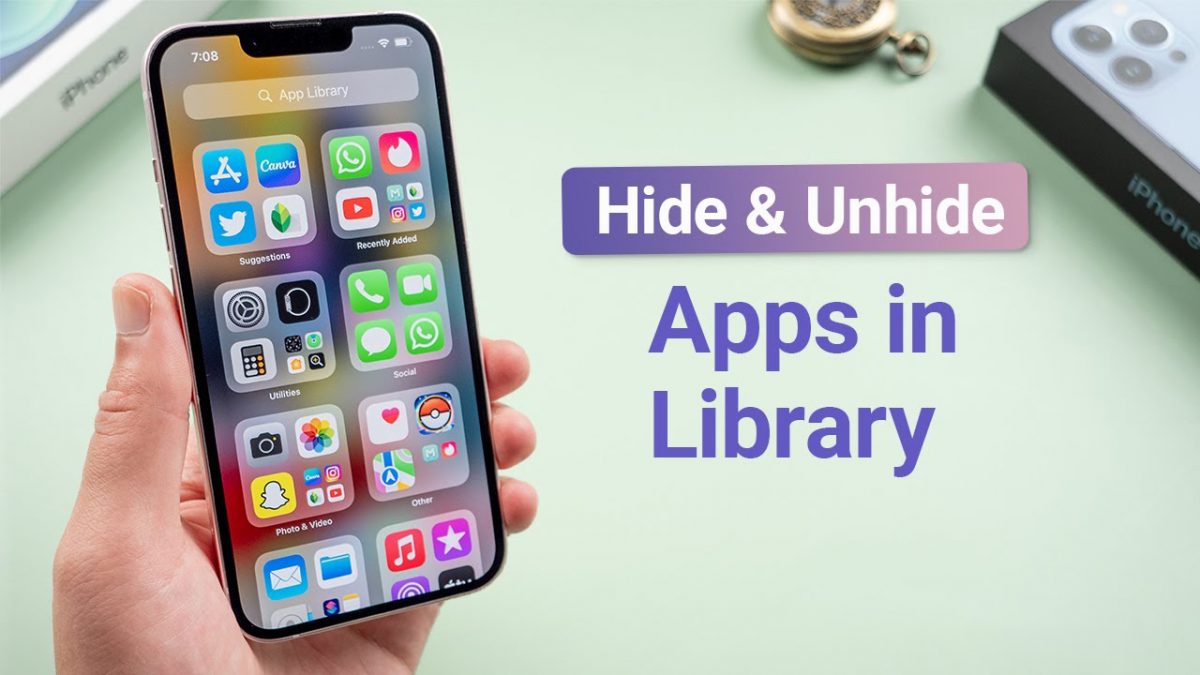
You cannot delete the Recently Added folder from the iPhone App Library. Apple generates it automatically, together with Suggestions, and offers no setting to turn it off. What you can do is control which apps show up there: hide an app with Face ID (iOS 18 and later) so it moves into the locked Hidden folder, delete apps you no longer want, or let newer installs push an app out of the folder.
This guide explains what Recently Added is, the official ways to keep an app out of it, and how to hide the same app from the Home Screen, search and your App Store history.
What is the Recently Added folder on iPhone?
The Recently Added folder is one of the automatic categories at the top of the App Library, the screen you reach by swiping left past your last Home Screen page. Apple sorts every installed app into categories on its own, and the App Library always starts with Suggestions and Recently Added, which change dynamically as you install and use apps.
Because these folders are generated by iOS, you cannot rename, reorder or remove them. There is no toggle in Settings > Home Screen & App Library that disables Recently Added. That page only controls where newly downloaded apps land (Add to Home Screen or App Library Only) and whether notification badges show in the App Library.
Two points matter for privacy:
- Recently Added shows your latest installs, so a new app appears there even if you never put it on the Home Screen.
- Apple does not document how long an app stays in the folder. In practice, it rotates out as you install newer apps.
If your goal is that nobody sees a specific app when they open the App Library, hiding that app is the reliable fix, covered next.
How to remove an app from Recently Added on iPhone
The way to remove an app from Recently Added is to hide it with the built-in Hide and Require Face ID option, available on iOS 18 and later. A hidden app leaves the Home Screen and the regular App Library categories, and moves into the Hidden folder at the bottom of the App Library, which only opens after Face ID, Touch ID or your passcode.
Follow Apple's steps:
- Find the app on the Home Screen or in the App Library.
- Touch and hold the app icon until the quick actions menu opens.
- Tap Require Face ID (or Touch ID or Passcode) and authenticate.
- Tap Hide and Require Face ID (or Touch ID or Passcode), authenticate again, then tap Hide App.
Some limits apply, according to Apple's personal safety guide:
- Only apps you downloaded can be hidden; apps that come preinstalled with iOS cannot.
- Calculator, Camera, Clock, Contacts, Find My, Maps, Shortcuts and Settings cannot be locked at all.
- The hidden status applies to that device only and does not sync through iCloud.
If you simply no longer need the app, deleting it removes it from Recently Added too: touch and hold the icon in the App Library, tap Delete App, then Delete.
Where hidden apps still show up
Hiding an app keeps it out of the Home Screen, Recently Added and the unlocked App Library, but the app's name is not erased from the whole iPhone. Apple lists several places where a hidden app can still appear:
- Settings > Apps > Hidden Apps (requires authentication to view).
- Settings > Screen Time usage reports.
- Settings > Battery > Battery Health & Charging.
- Your App Store purchase history.
Locking also protects what is inside the app: content from a locked app does not appear in notification previews, search, Siri suggestions or call history.
To unhide an app later, open the App Library, tap the Hidden folder at the bottom, authenticate, touch and hold the app and tap Don't Require Face ID (or Touch ID or Passcode). The app returns to the Home Screen.
Keep in mind that anyone who knows your passcode can open the Hidden folder. For a shared device, a separate passcode and Screen Time limits are the stronger control.
Hide recently added apps from the Home Screen
To keep new apps off the Home Screen, set iOS to send downloads straight to the App Library and remove icons you have already placed. This does not empty Recently Added, but it keeps the first screen people see clean.
- Open Settings > Home Screen & App Library.
- Under the option for newly downloaded apps, choose App Library Only.
- For an app already on the Home Screen, touch and hold it, tap Remove App, then tap Remove from Home Screen.
The app stays installed and can still be found in the App Library and through search. You can also hide a whole Home Screen page:
- Touch and hold an empty area of the Home Screen.
- Tap the dots near the bottom of the screen.
- Tap the circle under the page you want to hide.
- Tap Done.
Apps on a hidden page still appear in the App Library, as Apple's Home Screen and App Library guide notes. Folders work the same way: grouping apps into a folder on the last page only tucks them away, it does not hide them from Recently Added. If you want a more personal layout, see how to customize app icons on iPhone.
Hide an app from search and your App Store history
Hiding with Face ID is the cleanest way to keep an app out of Spotlight search. If you prefer not to lock the app, check its Siri & Search settings under Settings > Apps, where you can stop the app and its content from appearing in search and suggestions.
The App Store keeps a separate list of everything you downloaded with your Apple Account. Apple's guide to hiding apps in your App Store purchase list gives these steps:
- Open the App Store and tap your account photo or initials.
- Tap Apps & Purchase History, then Your Apps.
- Swipe left on the app and tap Hide.
Hiding does not delete the app from your iPhone, and the app still appears in your complete purchase history in Settings. With Family Sharing, family members can no longer download it from your shared purchases. To get the app back in the list, unhide it under Hidden Purchases in your account settings; you do not have to buy it again.
On a family or shared iPhone, consider the bigger picture: Screen Time can restrict app installs and account changes, which prevents the problem in the first place. Our guide on blocking account changes with Screen Time walks through the setting.

FAQ
Can I turn off the App Library on iPhone?
No. The App Library is a fixed part of iOS and cannot be disabled; you can only change where new apps are placed and hide individual apps.
Do hidden apps still send notifications?
Content from a hidden or locked app does not appear in notification previews, so a notification will not reveal what is inside the app.
Why does an app I removed from the Home Screen still show in Recently Added?
Removing an icon from the Home Screen only moves the app to the App Library, where it stays in Recently Added until newer installs replace it. Hide or delete the app to remove it from the folder.
Related: how to factory reset an iPhone, Haptic Touch vs 3D Touch explained, fix AirDrop not working on iPhone

Leave a Reply