U.S. lawmakers express concerns over U.K. push for Apple backdoor in encryption

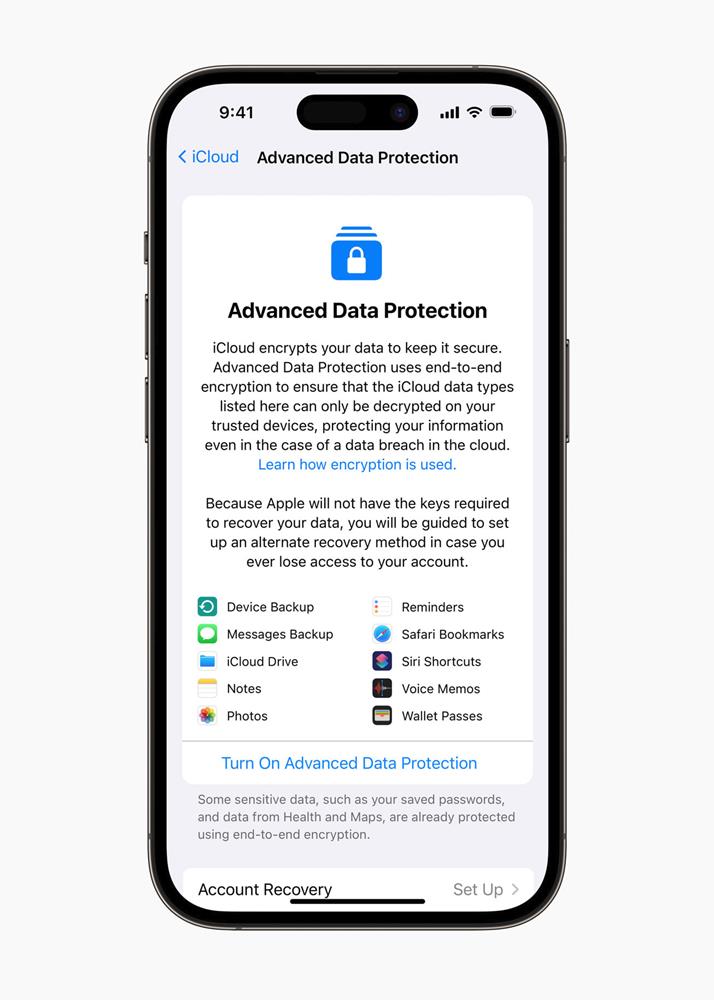
U.S. lawmakers have voiced concerns over the United Kingdom's recent order to compel Apple to create a backdoor to its end-to-end encryption. In February 2025, Apple announced that it had disabled its Advanced Data Protection feature for iCloud users in the U.K.
This was a result of a Technical Capability Notice (TCN) issued under the 2016 Investigatory Powers Act, which mandates that law enforcement be able to access user data, regardless of encryption. Apple has challenged the TCN in court, arguing that the requirement jeopardizes the privacy and security of millions. Instead of crafting a backdoor in iCloud, it opted to disable the iCloud feature to protect users worldwide. Despite the cessation of the Advanced Data Protection feature, Apple has assured users that their health data, passwords, iCloud messages, and transactions remain securely encrypted.
Now, the US House Judiciary Chair, Jim Jordan, and the Foreign Affairs Chair, Brian Mast, have written a joint letter to U.K. Home Secretary Yvette Cooper, emphasizing the potential cybersecurity risks that such a move poses not only to British users but to global citizens as well. They warned that a backdoor would introduce "systemic vulnerabilities" that could be exploited by cybercriminals and authoritarian regimes, heightening the stakes in an increasingly interconnected digital landscape.
Jordan and Mast have urged the U.K. government to reconsider any issuance of TCNs that could compromise encryption standards, stating that such actions conflict with international human rights norms, including privacy rights upheld by the European Court of Human Rights.
As TechRadar reports, a major cyberattack known as Salt Typhoon underscored the essential role reliable encryption plays in safeguarding personal data.

“Instead of crafting a backdoor in iCloud, it opted to disable the iCloud feature to protect users worldwide.”
Instead of allowing easy access to the data of specific users through a backdoor, Apple chose to allow easy access to the data of all users, and advertised itself as heroic and not bending for doing that.
“They warned that a backdoor would introduce “systemic vulnerabilities” that could be exploited by cybercriminals and authoritarian regimes”
For those for whom that was not obvious from the beginning, Apple was publicly exposed many years ago already for being part of US mass surveillance. Even encryption wouldn’t stop them from accessing data. There isn’t a more harmful and criminal regime than their own, but they don’t seem to even find it “authoritarian”. Fuck them.
Since when did US law makers care about privacy? They just don’t want people other than themselves to have a back door.
We have encryption for a reason. To protect our information against improper access. I do not think we should start making exceptions to that especially with governments who cannot be trusted not to abuse a backdoor access point or allow that backdoor to be exposed to others. Its a slippery slope when you start allowing ways to bypass encryption it will eventually defeat its effectiveness.
I sure do miss ghack product reviews.
UK is become an unhappy site for mostly everything. The most rapid descent into total cultural, social, and national security decline in the Western world. A real pity and a real shame all in a row.