Android Gets AirDrop-Style Quick Share Beyond Pixel phones
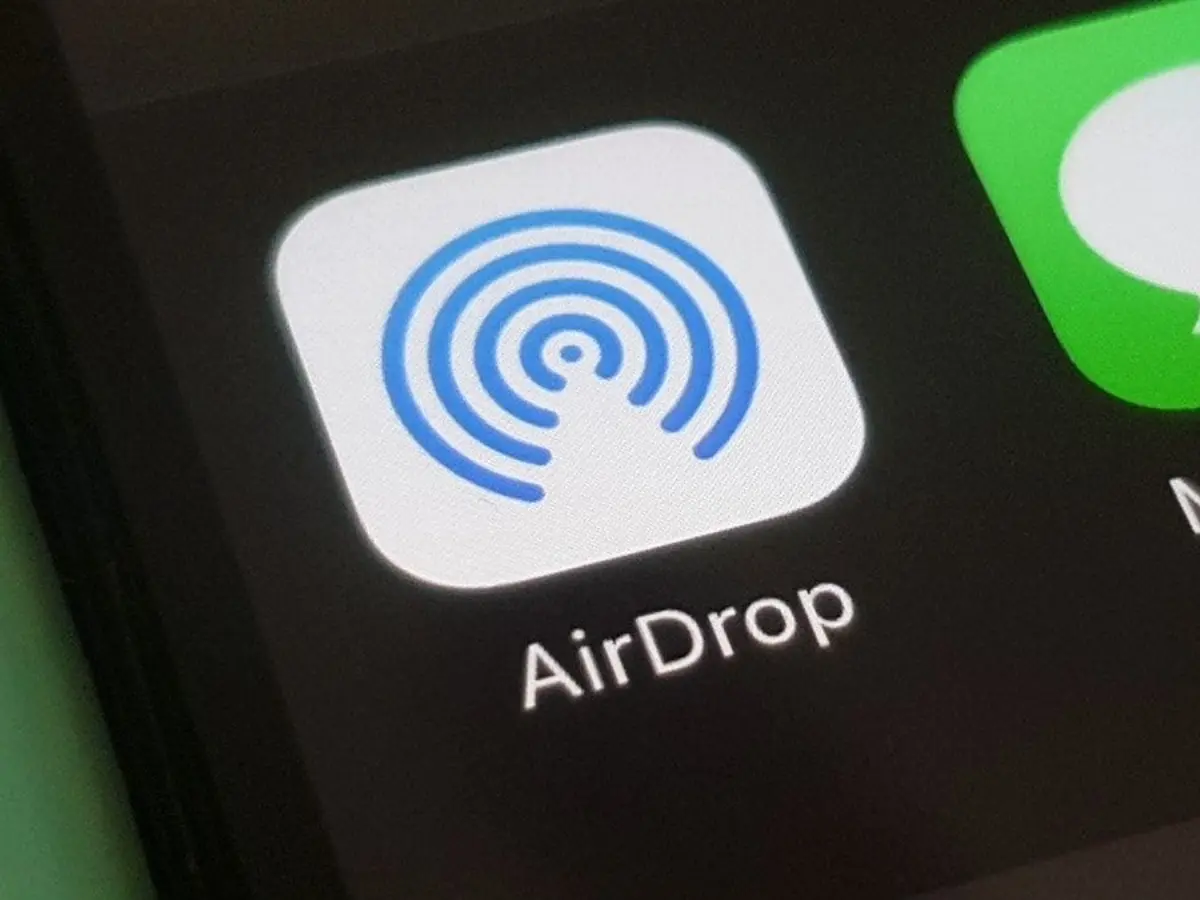
Google is widening the availability of AirDrop file sharing on Android, moving the Quick Share feature beyond its initial Pixel-only rollout. What began as an experiment on select Pixel devices is now surfacing on a broader range of Android hardware, signaling that cross-platform sharing is no longer being treated as a niche capability. In addition to the February 2026 Android update, early quick share restrictions tied to specific devices are starting to fall away. Behind-the-scenes platform updates suggest Google is positioning this as a standard Android feature rather than a temporary or experimental add-on.
From Google Pixel Experiment To Android Quick Share Feature
Google first introduced AirDrop compatibility for Android in late 2025 through Quick Share. At launch, the functionality was limited to the Pixel 10 lineup, marking the first time Android devices could send files directly to Apple hardware without relying on third-party apps or cloud services.
Even then, the feature came with conditions. Transfers only worked when Apple devices were set to accept files from “Everyone for 10 minutes,” and both devices needed to be discoverable at the same time. The capability existed, but it was clearly constrained.
Despite those limits, the shift was significant. For the first time, Android gained native, operating system–level interoperability with AirDrop, closing a long-standing gap between the two ecosystems.
That initial exclusivity is now ending. Support has appeared in recent Android Canary builds, and Google has confirmed that Pixel 9 and Pixel 9 Pro devices are next in line. More importantly, Google says the feature will not remain confined to Pixel hardware.
Google Is Baking AirDrop Support Into Android
Google has since clarified that AirDrop compatibility is being built as a platform-level capability. Rather than acting as a workaround layered onto specific phones, Quick Share’s interoperability is designed to live inside Android itself.
According to Google, security was treated as a core requirement during development. The implementation relies on established, audited protocols, and independent reviewers were involved in evaluating the design. That approach points toward a feature intended for wide deployment, not a limited test run.
By integrating this at the system level, Google avoids forcing manufacturers to rely on custom solutions or external apps. Once supported, the feature can be enabled across different brands without special tooling.
Quick Share on non-Pixel Android phones
Google has not shared a detailed rollout schedule, but it has acknowledged plans to bring AirDrop-compatible Quick Share to non-Pixel Android phones. Manufacturers, including Samsung and Nothing, have already indicated interest in adopting the functionality.
With major Android-focused events approaching, broader announcements are expected as partners align their software roadmaps and prepare updates that include the feature.
What Android Quick Share Users Can Expect?
On supported devices, Quick Share allows Android users to send photos, videos, and documents directly to iPhones and Macs using AirDrop. Files move locally between devices without passing through cloud storage or requiring additional apps.
The feature continues to respect Apple’s existing AirDrop visibility settings. No changes are required on iPhones or Macs beyond their normal configuration.
For users who regularly switch between Android and Apple hardware, this removes one of the more persistent friction points when sharing files across platforms.
For the moment, access is limited to supported Pixel models and preview builds. Wider availability depends on Android updates and decisions made by device manufacturers.
Google has not confirmed whether older Android versions will be supported or if specific hardware requirements apply. Until more details are published, availability will remain gradual and device-dependent.

Leave a Reply