Windows 11 Reaches 1 Billion Devices Faster Than Any Version Before It
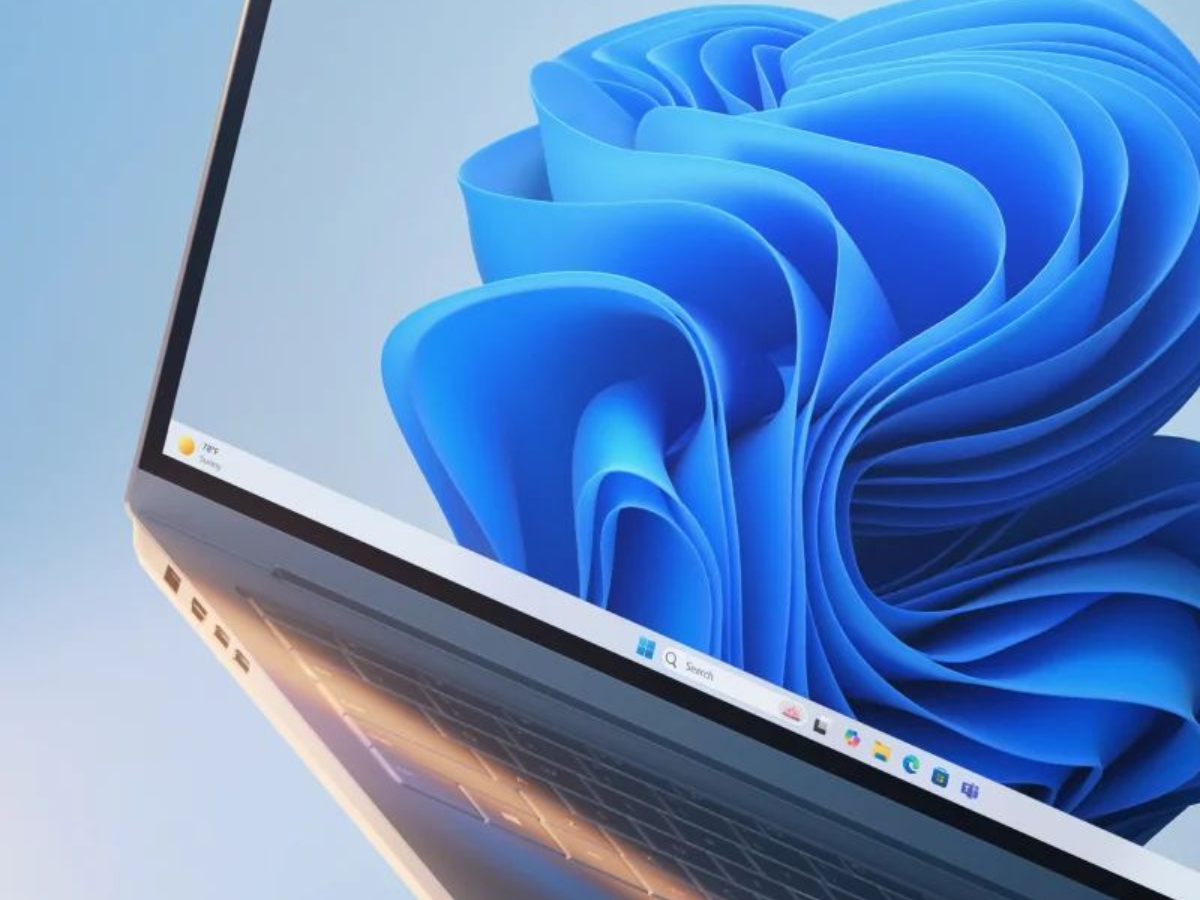
Microsoft has officially crossed a major milestone: Microsoft says Windows 11 is now active on more than 1 billion devices globally. Even more notable is how quickly it got there.
According to Microsoft, Windows 11 reached one billion users in 1,576 days, beating Windows 10, which took 1,706 days to hit the same mark. CEO Satya Nadella confirmed the achievement during the company’s latest earnings call, calling it a significant moment for the Windows platform.
Faster Growth Than Windows 10
When Windows 10 launched, Microsoft publicly set a goal of reaching one billion devices as fast as possible. While it eventually succeeded, it missed its original timeline. Windows 11, by contrast, has quietly surpassed that benchmark in less time—despite far more controversy at launch.
Windows 11 is approaching its fifth year on the market, which makes this adoption rate especially impressive in a PC ecosystem that no longer grows at the explosive pace it once did.
A Rocky Road to Mass Adoption
That success didn’t come easily. Windows 11’s rollout was immediately defined by its strict hardware requirements, including TPM 2.0 and newer CPUs. Those requirements locked out millions of Windows 10 users from upgrading, a decision that remains controversial today.
More recently, Microsoft’s heavy push into AI—along with a noticeable dip in update reliability and system stability—has fueled frustration among power users, developers, and IT administrators. Patch-related issues, forced changes, and concerns around trust have sparked ongoing criticism.
And yet, adoption has continued.
The “Most Popular Hated Windows”
Windows 11 now holds an unusual distinction: it may be the most widely used version of Windows that users openly complain about. Past “unpopular” releases like Windows Vista and Windows 8 never came close to reaching one billion users.
That contrast suggests something important. Outside of tech forums and enthusiast circles, most people treat Windows as a tool—and for everyday productivity, gaming, and work, Windows 11 largely gets the job done.
The backlash may be loud, but the numbers suggest it isn’t slowing adoption.
Why This Milestone Matters
Reaching one billion active devices reinforces Windows 11 as Microsoft’s long-term foundation. With Windows 10 nearing the end of its lifecycle, this milestone also signals that Microsoft’s push—controversial as it’s been—has worked at scale.
However, scale brings responsibility.
With a billion users now relying on Windows 11 daily, Microsoft faces increasing pressure to:
- Improve update quality and reliability
- Rebuild trust with transparency and consistency
- Balance AI innovation with user control
- Respect long-time workflows while modernizing the platform
What Comes Next
Windows 11 doesn’t need to win everyone’s love to succeed—but it does need to maintain confidence. Now that it’s officially one of the most widely used operating systems in history, the stakes are higher than ever.
Microsoft has proven it can get users onto Windows 11. The next challenge is making sure they actually want to stay there.

Windows 11 is the worst s*** ever done. Period.
> Rebuild trust with transparency and consistency
> Balance AI innovation with user control
> Respect long-time workflows while modernizing the platform
Do you really think that this demonic corporation, will be amenable to any of the perfectly reasonable requests made in this list, presumably by people whom are licensed users and have commercial missions at stake?.
The basic principles of reliability, efficiency, compatibility, and productivity, have been SCREAMED about ! and requested time and time again, with every iteration that has ever been written, or in their own words “innovated”, a laughable term applied to a product, whose primary objective has become, to increase the profit margin to its maximum extent, to the detriment of its users !.
Any company which issues a software programme would maintain their reputation, by actually LISTENING to the constructive criticism and suggestions made by their licensed users. This is what is known as INTEGRITY, and in addition we would expect them to act upon those criticisms and suggestions, any self respecting company would welcome it, regarding it as vital for maintaining its reputation and improving the quality of its product !.
For the love GOD ! .. are you fed up of screaming your lungs out yet ?
Peter Newton [London UK Linux user since 2004]
It can’t really be compared to Vista and 8, as they could be skipped due to shorter time periods between releases. I.E. The corporate upgrade path would have been 2000 > XP > 7 > 10.
Windows 11 would have ordinarily been released in 2018 and Windows 12 in 2021. Therefore, on a normal release cycle, corporate IT departments would have skipped 11 and gone straight to 12 in 2021, which would have made Windows 11 another Vista/8.
Corporate decisions are predominantly made based on cost, rather than any particular feelings.
What ???????????
Improve update quality and reliability