Google Chrome Vertical Tabs finally available

Google Chrome is finally getting vertical tabs. The new feature allows tabs to be displayed along the side of the Chrome Beta browser instead of across the top. Update signals that a broader rollout is close.
Chrome has long been the odd one out among major browsers when it comes to tab management. Browsers such as Microsoft Edge, Firefox, Brave, and others have supported vertical tabs for years, making it easier to manage large numbers of open tabs, especially on widescreen displays. Despite Chrome's massive market share, Google has been slow to adopt the vertical layout.
Chrome Beta vertical tabs
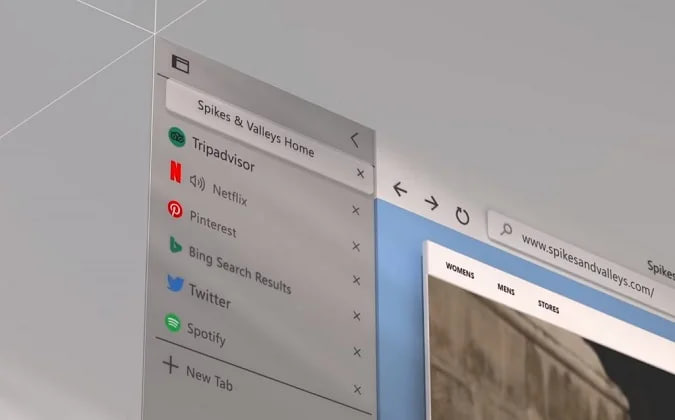
Chrome vertical tabs feature from Canary to Beta
Google was first spotted experimenting with vertical tabs in Chrome Canary back in late 2025. At the time, the feature was clearly experimental and limited to early testers. Now, it has made its way into Chrome Beta (version 145), suggesting it is nearing readiness for general users.
The feature is still hidden behind an experimental flag, but its presence in the Beta channel usually means Google is confident enough to begin wider testing.
How vertical tabs work in Chrome?
Once enabled, Chrome's entire tab strip moves from the top of the window to the side. All open tabs appear in a vertical list, which can make it significantly easier to scan titles, especially when many tabs are open.
Users can switch back to the traditional layout at any time. A simple right-click in the tab area lets you toggle between vertical tabs and the classic horizontal strip, so the change is fully optional.
How enable vertical tabs on Chrome Beta or Canary?
If you're using Chrome Beta or Canary, you can enable the vertical tabs feature:
- Open chrome: //flags/#vertical-tabs
- Enable the Vertical Tabs flag
- Restart the browser
- Right-click the tab bar and select Show tabs on the side
The option does not yet appear in the stable version of Chrome.
Based on Google's regular release schedule, vertical tabs are expected to arrive in the stable version of Chrome around January 28. Assuming no major issues arise during Beta testing, this will mark the first official release of vertical tabs to Chrome's massive user base.
Why vertical tabs in browsers matter?
For browser users who juggle dozens of tabs, vertical tabs can dramatically improve usability. They make better use of horizontal screen space, reduce tab shrinking, and often pair well with tab grouping and pinned tabs.
Chrome finally adopting this feature brings it closer in line with competitors and removes one of the more common complaints from power users.
If all goes as planned, one of Chrome's most requested interface features will soon be available to everyone-better late than never.

I have no reason to use Chrome. It is essentially a browser extension of Google. It tracks everything that you do on internet.
I have never used Internet Explorer or Edge. I have used a number of browsers from mid-90s to mid-2000s including Netscape and Maxthon. Then hopped to Firefox for the better part of 2 decades. No I am onto Brave. I has all that plugins that I use to block ads and tracking without the bloat.