Google Confirms Pixel Price Increases, Citing Memory Component Costs
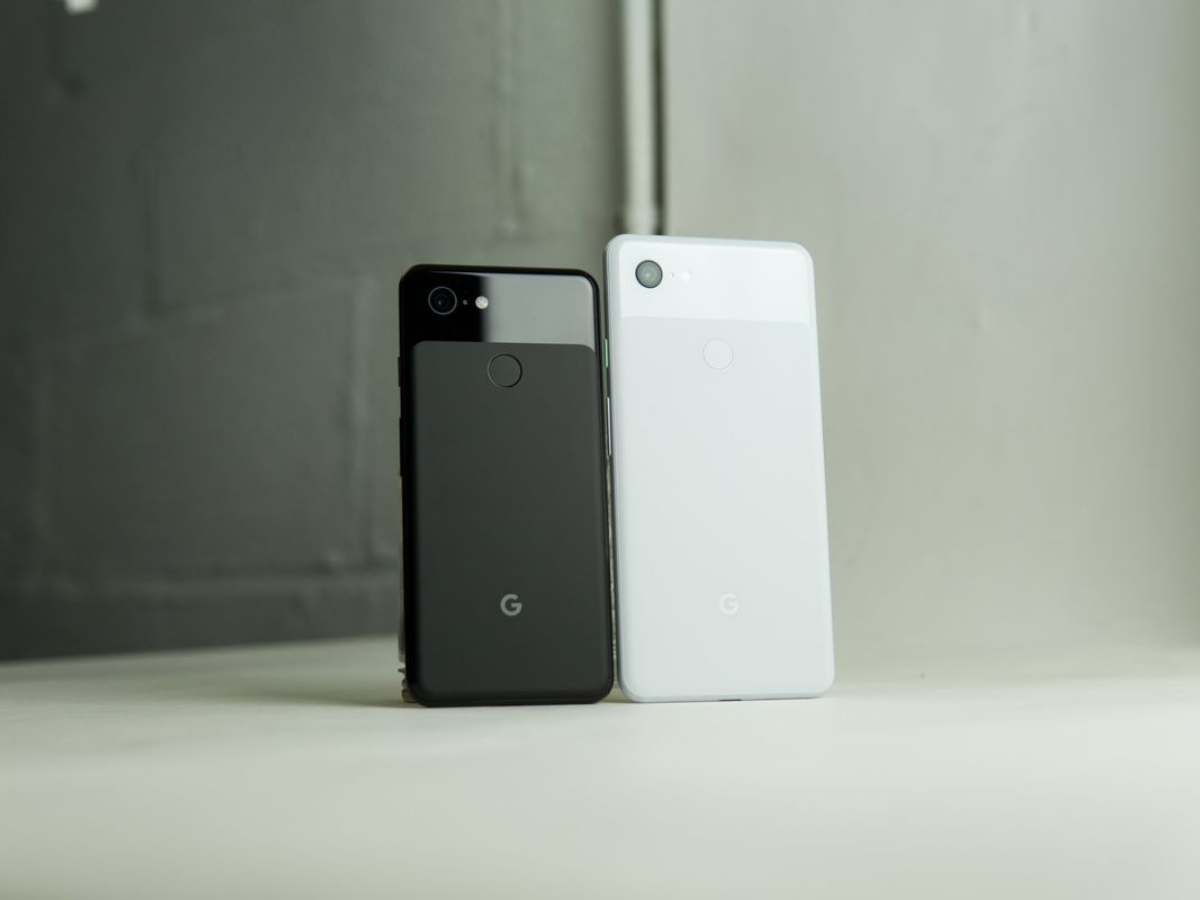
Google has confirmed that Pixel phone prices will rise, citing the ongoing RAM and storage cost increases affecting the industry, according to a statement given to 9to5Google and reported by Android Police.
The confirmation came from Google Vice President of Devices and Services Shakil Barkat, who said the company will make pricing "adjustments" across the Pixel family and will do so "dynamically to match supply realities." Google did not disclose specific prices for the upcoming Pixel 11 lineup. The Pixel event is scheduled for August 12.
Barkat said Google has worked to shield customers from rising component prices but is not immune to the increases affecting the wider market.
Pixel Prices Track Component Supply, Android Memory Use to Shrink
The central point from Google's statement is that Pixel pricing adjustments will track supply conditions rather than being set at a fixed level.
Barkat said the changes will be made "dynamically to match supply realities," which Android Police interprets to mean that continued increases in component costs will translate to higher prices at the point of sale.
Google did not reveal pricing for the upcoming Pixel series. The RAM and storage cost increases behind the change have affected the smartphone industry broadly over the past year, and Android Police notes that no company is immune to the component crisis.
Some manufacturers have attempted alternate approaches to hold prices steady, but at the cost of other tradeoffs.
Alongside the pricing confirmation, Android Police reports that Google is making a "dedicated effort" to drive down memory requirements across Android.
Reducing the memory footprint of the operating system would lessen the amount of RAM devices need, which could partially offset the impact of higher memory component costs on future hardware.
Android Police frames this as a change that could have been pursued earlier, noting that manufacturers have historically added new hardware regardless of whether previous configurations performed adequately.
What Pixel Buyers Can Do Before August 12
For buyers weighing a Pixel purchase, Android Police recommends focusing on the prices of existing and future models, since some buyers are choosing discounted current-generation phones over newer models with iterative changes.
The added cost of a new model with incremental updates makes a discounted prior model a more straightforward value in some cases.
Practical steps for buyers facing the price increases:
- Compare the launch price of the Pixel 11 against discounted current-generation Pixel models, since deep discounts on outgoing models may outweigh iterative upgrades.
- Watch for retailer promotions such as gift card offers with purchase from Amazon or Best Buy.
- Consider carrier discounts, which can lower the effective cost over the length of a contract.
- Factor in trade-in offers, which most retailers and carriers provide to reduce the upfront price.
- Evaluate whether the specification differences justify the higher price for the intended use, rather than upgrading by default.
Google's Pixel event is scheduled for August 12, when the Pixel 11 lineup is expected to be announced. Google has not confirmed the final prices for any Pixel 11 model, the specific size of the increases, or how the "dynamic" pricing approach will be reflected across regions.
Android Police notes that component prices are not expected to improve in the near term, leaving promotions, trade-ins, and carrier deals as the main ways for buyers to reduce the cost.

Leave a Reply